
Mushrooms science
The parts of this section aim to provide a glimpse into a vast and continually expanding world such as mycotherapy.
The use of macrofungi for healing purposes has a long tradition in the Asian regions, while their use in Western countries has seen major growth only over the last decades thanks to a flourishing trade.
Following a historical and botanical introduction, also some types of mushrooms will be reviewed. Our knowledge regarding their chemical composition, nutritional value and health enhancement effects has dynamically expanded over the last few years, turning mycotherapy into a field of great interest for the near future.
Enjoy!

Many plants (about 90%) have evolved creating symbiosis (mycorrhiza) with fungi; the latter can act as a parallel "immune system" and in many cases consti-tute a "parallel digestive system".
In addition, mycorrhizae make waste products of plants and animals bioavailable. In fact, before feeding on the substrate, they must inactivate toxins and counte-ract pathogenic agents of the environment. It is therefore possible to extract enzymes, antibiotics and defensive substances (e.g. triterpene) from fungi to use them in human and veterinary medicine.
Therefore, although they can be a source of devastating sores for animals and plants, mushrooms are also one of the best sources of medications for humans.
Moreover, in frontier fields of recent scientific research, we are trying to use mushrooms as real synthesis laboratories for the production of new "organic" molecules, inserting former "inorganic" elements in their growth substrate.

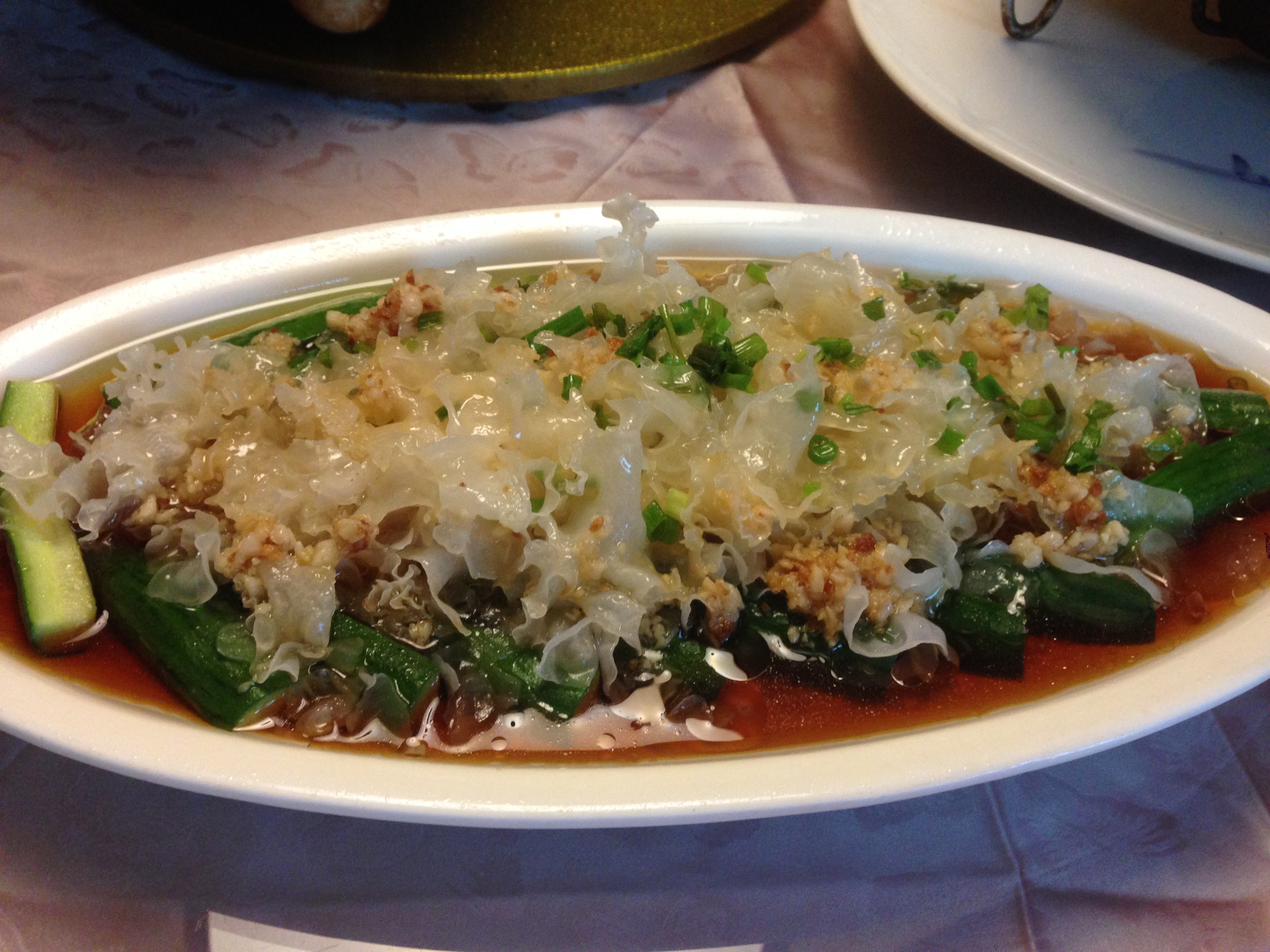
Fresh mushrooms, used for food, consist of about 90% of water. The remaining consists of proteins (about 20/25%), fats (about 2/3%), carbohydrates (about 70%) and minerals, such as P, K, Ca, Fe, Mg, Cu, Zn, Si and others (0.8-1.2%).
A high content of potassium is a characteristic of mushrooms.
Fungi are also the only non-animal source of vitamin D.
The earliest ethnomycological evidence so far identified was found in a cave engraving in the South-East of Algeria and it dates back to a period between 9,000 and 7,500 BC: it depicts figures in motion, holding a mushroom in their right hand.
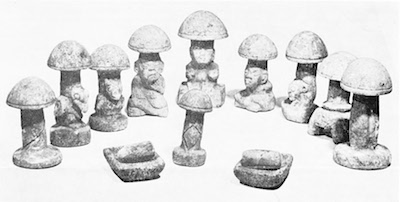
The most significant artifacts related to mushrooms are certainly rocks known as mushroom-stones which were found during archaeological excavations in various sites in Guatemala and Southern Mexico. Over two hundred items have been classified as mushroom-stones, coming from Central America, mostly dating back to the Mayan age and area, usually interpreted as intentional representations of hallucinogenic mushrooms.
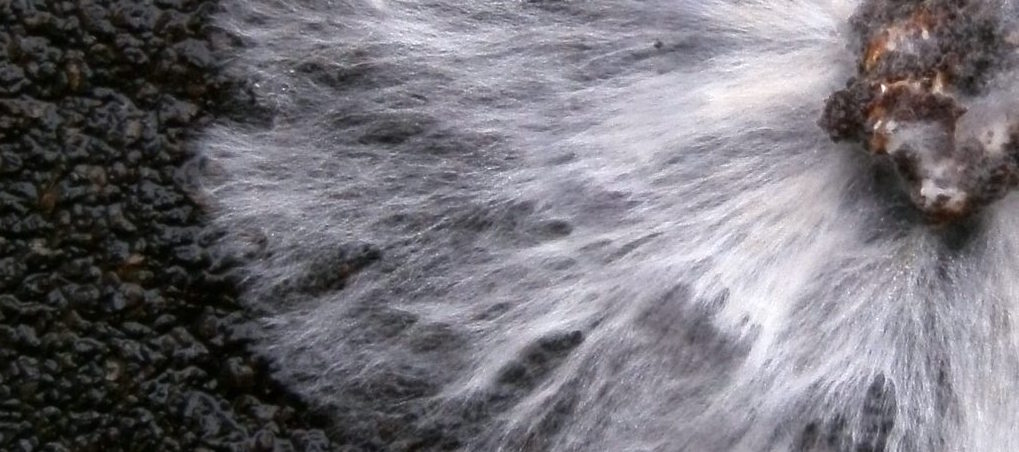
Everyone knows that mushrooms are a separate kingdom in the taxonomic classification, however not everyone knows this "definitive cataloging", compared to the plant kingdom, is quite recent.
The classification of Linnaeus gathered them together with the Tallophyte plants and they were included only later in the kingdom of the Fungi or Mycota.
Still, only in 1968 we read about the criteria for definitive cataloging, which take into account morphological characteristics, nutrition, cellular structure, energy reserve mechanisms and reproductive structures; characteristics that from an evolutionary point of view, make mushrooms closer to animals than to plants.
There are about 1.5 million species, minor in number and diversity only compared to those of insects and it is estimated that only 5% of them has been clearly identified.